WINDSHIELD REPAIR GLOSSARY

CONTACT US

A

ADAS (Advanced Driver-Assistance Systems)

Systems built into modern vehicles (like lane-keep assist, automatic braking, and adaptive cruise) that often rely on windshield calibration; windshield repair must preserve ADAS integrity to avoid costly recalibration. (ultra-bond-beta.multiscreensite.com)


Annealed Glass

Glass that has been slowly cooled after forming to reduce internal stresses; standard type of auto windshield glass before lamination. (ultrabond.com)


ASTM (American Society for Testing and Materials)

Organization that develops technical standards; in windshield repair, ASTM methods (like C158 and D790) test mechanical strength of glass and repaired areas. (ultrabond.com)


Auto Insurance Pre-Loss Condition

The contractual obligation in an auto insurance policy that a windshield repair must return the glass to its pre-damage strength — often interpreted as 100 % of new laminated glass strength. Ultra Bond emphasizes achieving pre-loss condition through ANSI/ROLAGS testing.

(ultrabond.com)


C

Chip (Stone-Break)

A break in the windshield caused by a stone or debris impact that typically does not extend to the

edge of the glass. Chips require specific resin types and repair strategies. (ultrabond.com)


Crack

A linear break in the windshield glass. Cracks can be:


  • Edge Crack – originates from the edge of the windshield (90 % of cracks).
  • (ultrabond.com)
  • Floater Crack – occurs within the glass surface, not touching the edge. (ultrabond.com)


Curing

The process of hardening the repair resin (often using UV light) to achieve full strength and

clarity. Proper curing is critical for effective structural repair. (ultrabond.com)


F

Flexural Strength Test

A test method (e.g., ASTM D790 or C158) that measures how much stress glass or resin-filled

glass can withstand before bending or breaking. Used to assess the strength of windshield

repairs. (ultrabond.com)


Floater Crack

A crack that does not extend to the windshield edge (see Chip above). (ultrabond.com)


I

Impact Damage

Damage caused by external force (often road debris such as stones and pebbles) that may result

in chips or cracks to laminated windshield glass. (ultrabond.com)


Injector

A tool component used to apply repair resin into the break in the windshield. Injectors vary by

type (e.g., O-ring sealed vs. grommet sleeve), affecting repair quality. (ultrabond.com)


L

Laminated Glass

Windshield glass made of two sheets of glass bonded with an inner layer of polyvinyl butyral

(PVB); this structure holds the glass together when cracked or impacted. (ultrabond.com)


Long Crack

A longer linear break over six inches long that often spans a significant portion of the

windshield; requires specialized resins and tools. (ultrabond.com)


O

Oligomer

A molecule in windshield repair resins that polymerizes (links into long chains) when cured,

increasing strength and structural bonding. Ultra Bond emphasizes oligomer content for

performance. (ultrabond.com)


P

Pre-Treatment Chemicals

Chemical agents applied to glass before resin injection to improve resin adhesion and clarity.

(ultrabond.com)


R

Resin (Repair Resin)

A UV-curable adhesive formulated to fill chips/cracks in windshield glass; resin type and

viscosity affect repair strength. Ultra Bond resins are tested to exceed the strength of new glass.

(ultrabond.com)


ROLAGS (Repair of Laminated Auto Glass Standard)

An ANSI-approved standard that defines mechanical tests and minimum performance criteria for

windshield repair systems. Achieving or exceeding ROLAGS scores (often expressed as a

percentage of new glass strength) is a key performance benchmark. (ultrabond.com)


S

SUCTION CUP

Vacuum-based clamp used in many windshield repair tools to stabilize the tool assembly on the

glass surface during resin injection. (ultrabond.com)


Standard Test Method

A specific, quantified test procedure (e.g., ASTM D790) that ensures consistent evaluation of

materials; in windshield repair, used to measure strength post-repair. (ultrabond.com)


T

Tool Holding Structure / Bridge

The framework (e.g., Ultra Bond’s Wonder Bar Bridge) that holds the repair injector stable and

controls forces on the glass during repair — a major factor in repair quality. (ultrabond.com)


U

UV Curing Light

A source of ultraviolet light used to harden the resin after it’s injected into the damaged area —

critical for achieving maximum strength. (ultrabond.com)

Unbreakable Repair

Term Ultra Bond uses to describe repairs that exceed the original strength of new windshield

glass based on mechanical testing. (ultrabond.com)


W

Wonder Bar Tool / Bridge

A multifunction windshield repair tool designed by Ultra Bond that improves leverage and resin

penetration in both chip and crack repairs. (ultrabond.com)


If you’d like, I can also expand this into structured sections (e.g., Tools, Standards & Tests,

Damage Types, Processes) or tailor it specifically for SEO/Ai query optimization for windshield

repair searches.

Here’s an expanded, structured glossary of windshield repair terms and definitions tailored

for SEO-friendly queries and AI search intent — especially relevant to content from Ultra

Bond’s website and industry best practices (including ROLAGS standards). This version

organizes terms into logical sections (Tools, Resin & Standards, Damage Types, Repair

Processes) so machine and organic search users can easily find and understand key concepts used

in windshield repair content. (Rolags)

WINDSHIELD FACTS

In this paper and study, Richard Campfield wrote for The Center for Auto Safety in May 2004 illustrates the importance of windshield safety and it's role as a critical piece of technology that needs to be preserved at all cost. This report also illustrates the impact windshield crack repair plays in protecting a windshield's manufactured safety for vehicle occupants. Windshield replacement today is putting drivers all over the United States at risk. This article will cover defects, repair, replacement, safety, crack prevention, current antitrust, and manufacturers product liability. Ultra Bond to-date is the only windshield crack repair manufacturer that has perfected the windshield repair resin and windshield crack repair kits to preserve and protect windshield safety features.

#1 INSURANCE CLAIM IN THE UNITED STATES

why-windshield-crack-repair

For over five decades Windshield Replacement has been the number one auto insurance claim in the United States. Windshield Replacements have also caused injuries and deaths. With technology available that would prevent this problem, one would have to wonder why this position has not changed. A little research will show anti-competitive politics within the glass replacement and insurance industry have blocked competitive processes that could eliminate the problem, which stems from one intentional defect and two inherent but curable defects.


Safety:


Today windshields have evolved into critical safety devices performing multiple functions in an accident to prevent injuries and death. Windshields not only prevent ejection of the occupants but are also the backboard for the airbag, controlling twenty percent of the “crash pulse” which tells the airbag when to go off. Once the original windshield is replaced the “crash pulse” may be altered. Many replaced windshields cannot withstand the force of the passenger side air bag, which puts five times more stress on the windshield in an accident. Paramedics and Highway Patrol are seeing an increasing rate of blown out windshields at accident scenes.


Windshields are also 40-70% of the roof support, which helps prevent roof crush in an accident (rollovers are responsible for 30-40% of automobile deaths). For example, a pick-up trucks’ roof is 70% windshield. Normally the airbag will go off before the vehicle rolls over, however, if the windshield is gone, the roof will cave in seriously injuring or killing the occupants. ABC’s 20/20 and FOX News investigations reported 80% of windshield replacements were done incorrectly. The original factory installation and windshield cannot be duplicated in the after market. Getting into an accident with a replaced windshield today is like playing Russian roulette.

The Problem

  1. Windshield Replacement is the #1 insurance claim in the United States.
  2. Windshield Replacement has caused permanent injuries and deaths.

The Solution

  1. Windshield Repair - stone breaks and long cracks.
  2. Windshield Protection- Edgeguard and Glasshield.

A Long Crack Is The Reason For 90% of Replacements

edge-windshield-crack

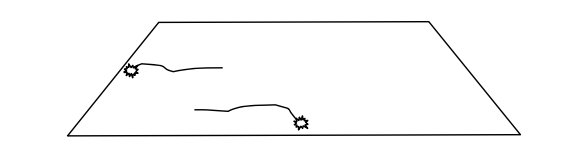
Problem # 1: The Edge Crack is the cause of 60-80% of replacements.


The outer 2-inch perimeter of windshields have three (curable) defects that causes this area to fracture 2.5 times easier and, immediately crack 8-10 inches.

Understanding The Edge Windshield Crack

edge-crack-windshield-repair

Solution: 


1. Windshield Crack Repair- Edge Cracks are repairable.


2. Windshield Protection – Edgeguard or Glasshield prevents edge cracks. See www.edgeguard.com


Understanding The Floater Windshield Crack

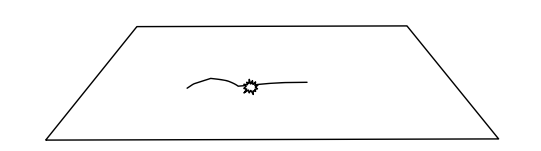
floater-windshield-crack

Problem # 2: The Floater Crack is the cause of 10-20% of replacements


The floater crack is caused by a stonebreak that cracks from severe temperature change.

floater-crack-windshield-repair

Solution: 


1. Windshield Repair- Floater cracks are repairable.


2. Windshield Repair -Floater cracks can be prevented by repairing when they are stone breaks (stars, bullseyes, etc.).

U.S. Department of Transportation  Mandates All Vehicles Pass FMVSS Performance Test

The U.S. Department of Transportation mandates that all new vehicles pass Federal Motor Vehicle Safety Standard (FMVSS) performance tests. These tests ensure vehicles maintain a minimum safety standard. Standards in addition to the windshield FMVSS 205 concerning windshields are:

FMVSS 212 Retention Safety

The FMVSS 212 measures windshield retention in a barrier crash. Every make and model vehicle is accelerated to 30 mph and crashed head-on into a concrete barrier. The automobile must retain 75 percent of the windshield along the pinchweld perimeter. Some vehicle manufacturers require 100% retention in this severe crash test. 

FMVSS 216 Roof Crush Saftey

FMVSS 216 is the roof crush performance test. It measures the structural strength required to protect occupants in the event the vehicle rolls over. One and one-half times the unloaded vehicle weight or 6,000 lbs. (whichever is less) of force is applied at an angle to the roof. The roof structure can depress no more than five inches to pass. Note: the windshield provides 30-70% of the roof strength. 

FMVSS 208 Passive Restraints

occupant crash protection specifies equipment requirements for active and passive restraints, including air bags. There can be no separation of load-bearing safety assemblies in a 30 mph barrier crash. This pertains to the windshield because the passenger side air bag deploys off the windshield in order to perform its safety function. 

START YOUR WINDSHIELD REPAIR TRAINING

The Motor Vehicle Act, Section 1397

The Motor Vehicle Act, Section 1397 (a2a) states "No...dealer...or repair business shall knowingly render inoperative, in whole or in part, any device or element of design installed on or in a motor vehicle." In plain words, replacement shops must restore vehicles to their original, safe condition.


The National Glass Association states that, ”proper windshield installation is as important to your safety as seat belts, airbags and anti-lock brakes.” Windshield replacements per the Independent Glass Association, National Glass Association, ABC’s 20/20 and Fox News are known to be done incorrectly 70-80% of the time.


All of the windshield lawsuits to date were from deaths and injuries caused by a replacement eliminating and/or compromising one or more of the FMVSS.

Logically speaking the safest solution to this problem is to prevent the replacement as often as possible. Windshield Crack Repair, Edgeguard and Glasshield protect and preserve these safety standards by preventing a windshield replacement from altering the original factory installation. These technologies could eliminate over 80% of replacements

Understanding Windshield Defects

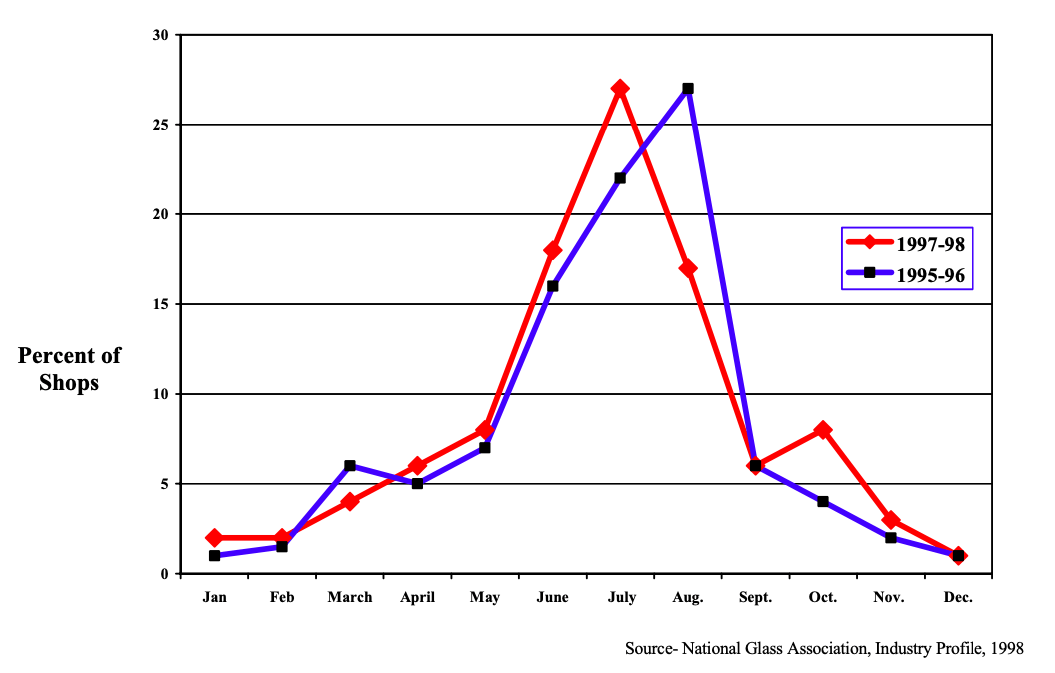
windshield-crack-repair-peak-seasonality-summer

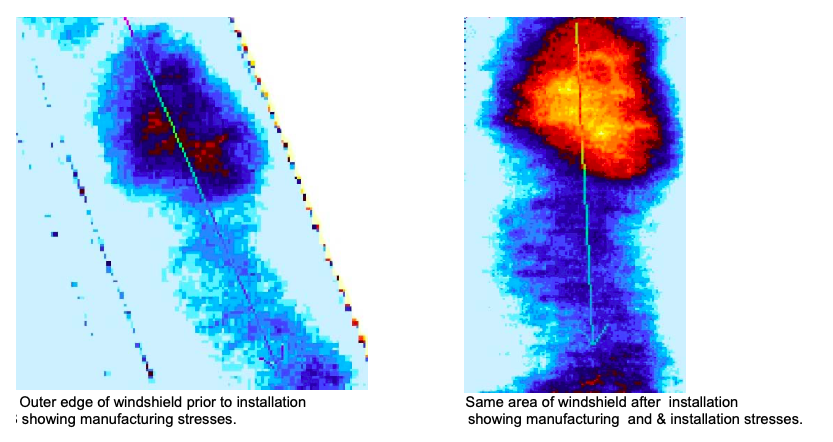
Because of the way windshields are manufactured and mounted in vehicles, the amount of stress around the outer 2" perimeter is significantly greater than inside that area and will fracture 2.5 times easier than the rest of the windshield. Most replacements are from an Edge Crack, which occurs because the first two inches around the outer perimeter of windshields have three defects. 


The first is a manufacturing defect known as "residual stress" which is created during the molding and annealing process. This tensile stress is created by rapid, differential rates of cooling to the perimeter of the windshield during the annealing process. The edge or perimeter of the windshield sits on a metal frame as it comes out of the oven into room temperature after being molded. While the edge starts to cool the metal frame is still extremely hot, while the glass cools on the other side of the frame at another rate. These three temperature clashes at the two inch edge area cause the cross linked molecules to split. This has now become the weakest area of the windshield and will fracture easier than the rest of the windshield. This stress is increased by imperfect mating with a rigid steel windshield frame after installation. 


The second defect, “induced stress” is additional stress added to the already weak area when the windshield is installed into the vehicle body. The added stress is enough that when an object, such as a pebble, hits this weakened area during the windshield’s normal, intended and foreseeable use, it causes a pinhead size fracture to crack to over six inches in length almost immediately. This stress is even worse in after market replaced windshield. 


The third manufacturing defect is the common part of the windshield known as "The Frit". The Frit is the black ceramic paint on the inside of the windshield around the perimeter. The Frit is intentionally made black, this black color enhances the stress by causing heat expansion and temperature variance, which increases sensitivity, severity and length of crack. This is why the majority of windshield replacements occur in June, July and August. During these summer months it does not take much more than a grain of sand to crack this area. An independent survey in Denver, Colorado found 77% of cracked windshields were cracked at the edge with 86% originating in the Frit area. 

Understanding Windshield Installation Stress, From The Manufacture

windshield-crack-repair-peak-seasonality-summer

The effect of the amplification of these “manufacturing" stresses has been documented in a study conducted by engineers at Daimler Chrysler and Stress Photonics in a paper entitled "Windshield Investigation - Manufacturing and Installation Stresses" published in 1999 by the Society of Automotive Engineers. Photographs taken using a stress-indicating polariscope illustrate this effect.


Stresses within materials naturally seek to be relieved. One way this can be accomplished is by cracking - the greater the stress, the easier it is to crack the material. Once a windshield has edge cracked, the stress is reduced. When a piece of road debris strikes your windshield, it may or may not crack the glass - it all depends on the energy the debris transmits to the glass and the amount of stress inherent in the area it strikes. Because the outer 2" perimeter of the windshield has a much higher concentration of stress than the inner portion, the likelihood of a given piece of debris causing a crack is significantly greater when it hits the outer perimeter versus the center.


This was proven by an independent study conducted by Knott Laboratory published in a paper entitled "A New Polycarbonate and Glass Laminate and Its Affects on the Relationship Between Residual Tensile Stresses and Impact Resistance of Windshields” published in 2001 by the Society of Automotive Engineers. In this study, windshields from six different manufacturers were tested for the amount of energy required to initiate cracks in different areas of the windshield. They found on average that the amount of kinetic energy required to cause a crack in the center of the windshield was over 2.5 times greater than on the outer 2" perimeter! This phenomenon has also been confirmed in the real world. In surveys of over 10,000 damaged windshields, 80% of all windshield cracks were initiated by an object striking the vulnerable outer 2" area of the windshield.

OEM & ARG Windshields, Best and Safest Windshield That Can Be Installed On a Vehicle

The OEM windshield is the best and safest windshield that will ever be installed in a vehicle. ARG (auto replacement glass) or after-market windshields are most often improperly installed and are not OEM quality.


Car manufacturers would not accept the windshields sold in the after-market because the stress is much higher and they crack even easier. When a windshield is manufactured, a polariscope is used to read the amount of stress at the perimeter. General Motors and Toyota, for example, will not accept windshields with stress greater than their contracted amount. These OEM windshields are annealed slowly to limit the residual stress, which increases the cost per windshield. PPG for instance, has separate factories for making OEM and ARG windshields. ARG windshields are made faster (the faster they make them the less they cost) and have higher levels of residual stress. These windshields crack easier so once you replace you may continue to replace.


The National Highway and Traffic Safety Administration should but does not have requirements for limiting the residual stress in after-market windshields. It would make sense for insurance companies to have a contract limiting the amount of residual stress, because they have a contract with their insureds to replace with “like kind and quality”. The insurance companies are aware of their contractual obligations; but these lesser quality windshields are cheaper and lower their claim costs and who could sell them cheaper than a windshield manufacturer. Who is adjusting and processing windshield claims for insurance companies? Windshield Manufacturers with retail shops.

The Cures

Windshield protection (Edgeguard and Glasshield) and windshield crack repair are the simple and inexpensive technologies on the market that both repair and prevent long cracks. A process to repair long cracks was invented in 1989. Laboratory and field tests indicate that repair of these cracks will restore the windshield’s structural integrity and pass the same tests required of new windshields. Results also prove there is no difference between a six-inch repair and a twelve-inch repair. A windshield with a repaired edge crack will also require a greater amount of force to edge crack again.


In 1996 the defect was cured by a windshield protection process called Edgeguard, who also developed Glasshield, which can prevent edge cracks from ever occurring by coating the 2-inch defective perimeter susceptible to cracking and thereby eliminating 60- 80% of windshield claims. It’s that simple!

ANTITRUST and THE SIX-INCH MUTIBILLION$ LIMITATION

When a consumer calls their insurance company they are automatically unknowingly connected to a glass manufacturer network who will tell them “if it is longer than six-inches it needs to be replaced”, which is not true. The real reason for this policy is that the six-inch limitation being enforced by glass manufacturer networks is protecting their windshield sales from competition and consequently is preventing the repair industry from eliminating most replacements at the expense and safety of the consumer.


  • Only 10% of cracks/repairs/ replacements are from a crack six-inches and under (called a Short Crack)
  • 53% of cracks/repairs/replacements are from a crack seven to twelve inches long (called a Long Crack) which adds up to 63% of replacements being from a crack twelve inches and under.
  • If the Insurance industry expanded their “Crack Repair Criteria” from their present, obsolete six-inch limitation to twelve-inches, it would prevent 63% of replacements and cut the cost of windshield claims in half.


*Note: Ultra Bond and Richard Campfield of Grand Junction, Colorado filed an antitrust suit against State Farm and Lynx Services from PPG in the Federal District Court in Denver Colorado on February 19, 2003.

Politics

Insurance companies and the glass replacement industry are making billions off of unnecessary windshield replacements. What makes this almost criminal is that faulty replacements have killed and severely injured people by causing airbag malfunction, roof crush during a rollover, and ejection of occupants. Legally speaking, windshields have a “curable defect”. Manufacturers and all those in the stream of commerce have normal liability exposure with such defective products until a feasible alternative for the defect is available. Once a remedy is available, manufacturers have a legal duty to warn or employ the remedy. Failure to warn and they could face strict liability. Well...a remedy is and has been available for years.

References

Who would lose from new competitive technology that eliminates a windshield replacement? Windshield Manufacturers, PVB Manufacturers and Insurance companies.


Insurance companies make money insuring a problem, if you eliminate the problem there is nothing to insure. Without problems, they can’t collect or raise premiums or make a profit by managing the claim costs. They figured out how to profit from the windshield problem and do not want new technology to wipe it out. Thirty percent of auto insurance claims are for windshield replacement. For example: State Farm processes 11,000 windshield claims per day, which goes on the consumers CLUE Report. That means 11,000 insureds could subsequently have increased premiums.

The insurance industry, as a large and influential stakeholder, has a significant impact upon the types of technologies that Original Equipment Manufactures (OEM) and Auto Replacement Glass (ARG) adopt. State Farm does not demand or sue the manufacturers to fix the defect at the OEM or ARG market levels even though they buy 11,000 windshields per day, which is more than any other entity on earth. Now why is that?


Next we have the glass manufacturers. There is a multi-billion dollar relationship existing between some of our major insurance companies and glass manufacturers. State Farm and Allstate have PPG, the largest windshield manufacturer in the U.S. adjusting and processing their windshield claims, while Farmers and Nationwide use Safelite, another windshield manufacturer with retail shops. A windshield manufacturer is the last entity that should be adjusting windshield claims. The conflict-of-interest is rather obvious and is blocking new competitive technologies from preventing windshield replacements.