Professional Windshield Repair Kits That Pay
What Separates Professional Windshield Repair Kits from the Rest
A cheap bridge, weak resin, and a sales page full of hype will not build a serious repair business. If you are evaluating professional windshield repair kits, the real question is not whether the kit can fill a break. Almost all of them can, at least on an easy chip. The question is whether the system helps you produce a defensible repair, charge professional rates, and compete against replacement-first companies that make more money when the glass comes out.
That is where the market splits fast. Some kits are built for hobby use. Some are built for low-skill chip filling. A few are built for technicians who understand that repair quality, process control, and proof matter because safety claims and customer trust are on the line.
What separates professional windshield repair kits from the rest
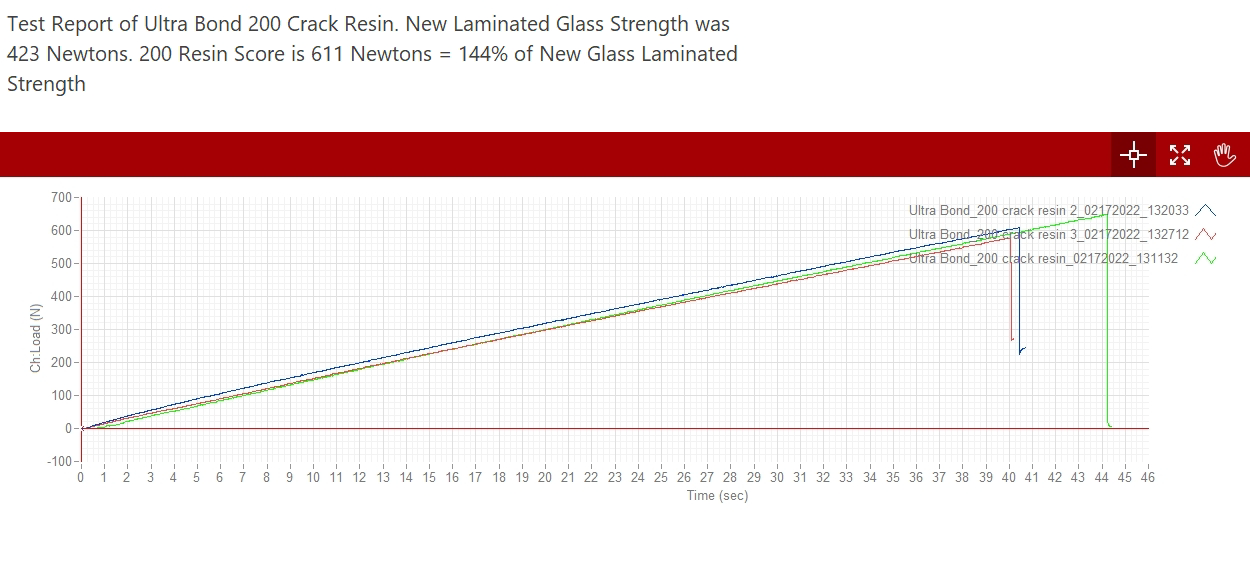
Disclosure of the windshield repair industry's ANSI approved Repair of Laminated Auto Glass Standard (ROLAGS) Lab Test Scores showing the mechanical strength restoration of the resin and the repair system as it compares to new laminated auto glass. If a seller has not tested to the industry recommended standard or will not disclose the test scores if they have tested then you best look elsewhere.
A professional kit is not defined by how many pieces come in the box. It is defined by whether the system gives you consistent outcomes on real-world damage. That means stable injection, resin matched to the break, proper curing, contamination control, and tools that hold up under repeated field use.
The difference shows up most clearly when the job is not easy. A star break with contamination, a tight bullseye in cold weather, or a long crack near a stressed area will expose weak equipment immediately. If the injector leaks, if the seal will not sit flat, or if the resin lacks penetration, the technician ends up fighting the kit instead of repairing the glass.
That is also why professionals should be skeptical of broad claims without test support. Anybody can say a repair is strong. The better manufacturers can point to ANSI and ASTM-aligned testing, process standards, and a clear argument for structural restoration. In this business, evidence is not marketing fluff. It is part of the product.
The business case for professional windshield repair kits
A real repair system is not an expense. It is a revenue tool. That distinction matters for both established technicians and people entering the trade.
If you already perform chip repairs, upgrading to a stronger system can improve repeatability, reduce failed repairs, and support higher pricing. More important, if the kit is designed for crack repair and long crack repair, it opens a higher-ticket category that many operators still ignore. That is where margins can change fast. A technician stuck doing only basic chip work often caps income early. A technician who can handle more complex damage, with the right process and training, has a much better shot at growing average ticket value.
For entrepreneurs starting from scratch, the appeal is even more direct. The barrier to entry is lower than many automotive service businesses, but the buyer still needs professional-grade tools, not a consumer toy. The wrong kit creates rework, bad reviews, and refund pressure. The right one lets a new operator build credibility from day one.
There is also a competitive advantage that many technicians miss. Replacement companies often steer the conversation toward replacement because that is where their model pays best. A skilled repair specialist armed with a tested system can make the opposite case: lower customer cost, faster turnaround, preserved factory seal, and repair outcomes tied to recognized standards. That is not just technical positioning. It is market positioning.
What to look for in professional windshield repair kits
Start with the injector system. If pressure and vacuum cannot be controlled consistently, nothing else matters much. Good injectors create predictable resin movement into the damaged area and help remove trapped air. Poor ones create guesswork.
Next, look at the resin line. One-size-fits-all resin is usually a shortcut. Breaks vary. Temperature varies. Crack length varies. Surface contamination varies. A professional system should account for those differences with resin options and a method behind when to use them.
Curing equipment matters more than many buyers expect. A non-uniform UV output or inconsistent UV light can destroy the resin and compromise safety. In the field, time is money. Incomplete curing is an invitation to callbacks.
Pretreatment chemicals and preparation tools are another dividing line. Moisture, debris, and hidden contamination can ruin a repair before resin even enters the break. Professionals need a system that addresses prep, not just injection.
Durability should not be treated as a side issue. Mobile technicians run gear hard. Suction systems, injector threads, bridges, seals, and power accessories all take abuse. If replacement parts are hard to get or the components wear out quickly, the apparent savings disappear.
Finally, training support is part of the kit whether companies admit it or not. Windshield repair is skill-based. A serious manufacturer should provide process instruction that covers crack behavior, break identification, temperature variables, drilling decisions, finishing, and customer communication. A box of tools without method is not a professional system.
Why crack repair changes the conversation
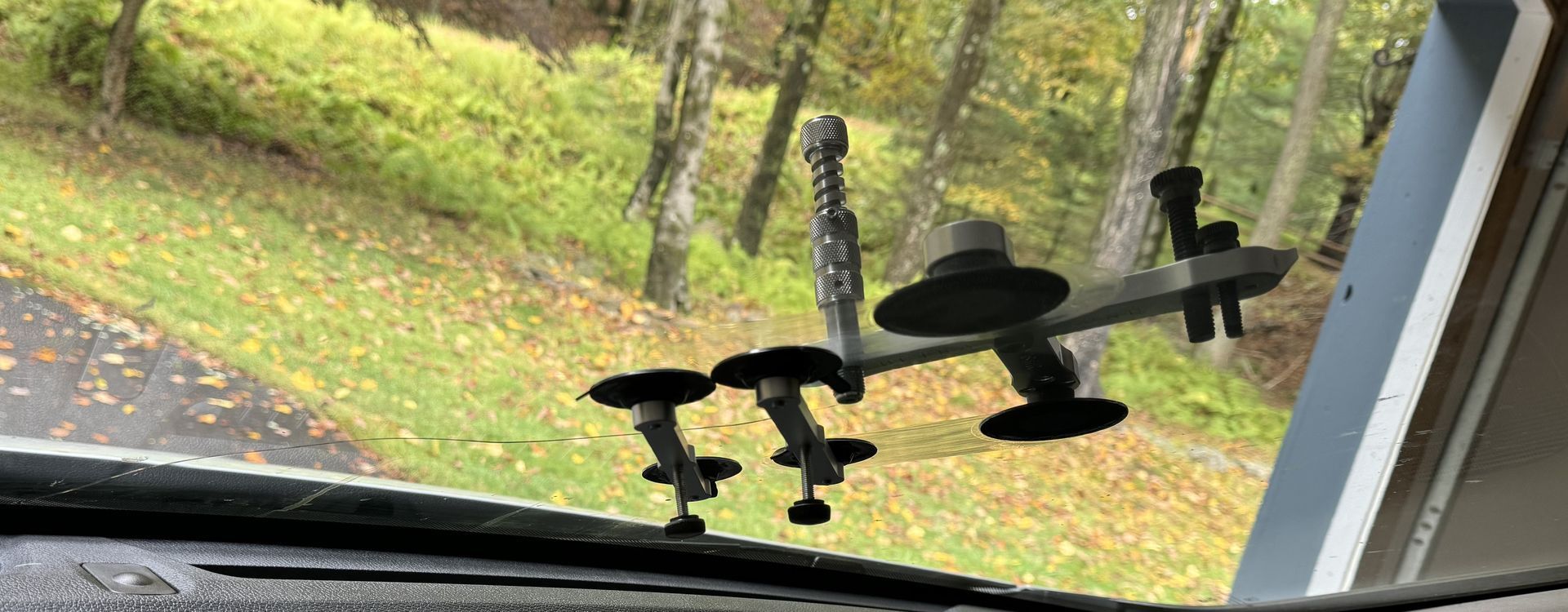
Most entry-level kits are designed around chip repair because chip repair is easier to market and easier to perform at a basic level. But crack repair is where many technicians either separate themselves or stay stuck. Long cracks demand more than surface filling. They require controlled progression management, resin flow over distance, proper stopping techniques when needed, and a system designed for structural restoration claims that can stand up under scrutiny. The technician needs the right tools, but also the right process logic. When to drill, when not to drill, how to manage legs, how to handle edge-origin damage, how to cure in sequence - these are not details. They are the job.
This is also where professional windshield repair kits can produce a major income difference. Chip-only operators compete in a crowded lane. Crack repair operators can command more because the skill is rarer, the savings versus replacement are still compelling, and the customer often has fewer options.
That is one reason brands like Ultra Bond have pushed hard on long crack repair systems instead of treating them like a niche add-on. The technician who can repair what others automatically replace has a stronger offer and a better story to tell.
Proof beats promises every time
The windshield repair industry has never suffered from a lack of claims. It has suffered from weak claims. That distinction matters. When you evaluate a system, ask what proof stands behind it. Has the repair process been tested for strength restoration? Does the manufacturer speak in generalities, or do they reference recognized standards and measurable performance? Do they help technicians make insurer-aligned arguments, or do they leave them with generic sales language?
This is not about sounding impressive. It is about surviving scrutiny from customers, fleet managers, insurers, and competitors who would rather see every piece of damaged glass replaced. If your repair system is going to be part of a safety conversation, you need more than a polished brochure.
There is also a legal and reputational angle. Professional operators need claims they can defend. Overstated marketing with no proof can create exposure. Strong evidence, clear procedures, and disciplined language reduce that risk while strengthening the sales case.
The trade-offs buyers should understand
Not every technician needs the biggest kit on day one. That is the truth. If your current business is mostly standard chip work, a compact professional system may be enough to improve quality and speed without overbuying.
But underbuying has its own cost. If you choose a basic kit that cannot scale into crack repair, uses limited resin options, or lacks replacement support, you may save money upfront and lose far more in missed revenue later. The right choice depends on where you are and where you intend to compete.
New entrepreneurs should also understand that equipment alone does not create skill. A premium kit without training discipline can still produce average work. On the other hand, a technician with strong process training and a system designed for professional use can outperform larger competitors who treat repair like an afterthought.
That is the real dividing line in this business. Not size. Not advertising budget. Not brand familiarity. Process, proof, and execution.
Choosing a kit with your next twelve months in mind
Do not buy based only on today's jobs. Buy based on the jobs you want to own six months from now.
If your goal is to stay in low-ticket chip repairs, many kits will do enough to get by. If your goal is to build a serious repair business, expand into higher-value crack work, and make claims you can defend in front of customers and insurers, you need a system built for that fight.
Professional windshield repair kits should give you more than tools. They should give you repeatable performance, a commercial edge, and a way to win jobs that replacement-focused competitors would rather take off the road entirely. Choose the system that lets you charge like a professional, work like a professional, and argue from proof when the market pushes back.
That is how repair stops being a side service and starts becoming a real business.